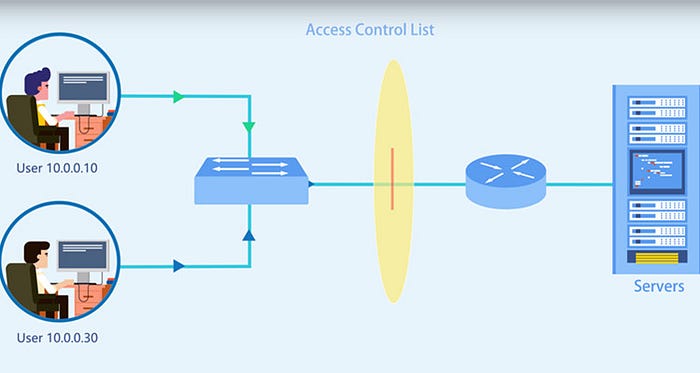
Access Control (ACL)
Review, Research, and Discussion
When is Basic Authorization used vs. Bearer Authorization?
- basic authorization used when in sign-in process, after signing-up.
- bearer authorization used after basic auth done. for every request will use a bearer auth to verfiy if token match user token or not.
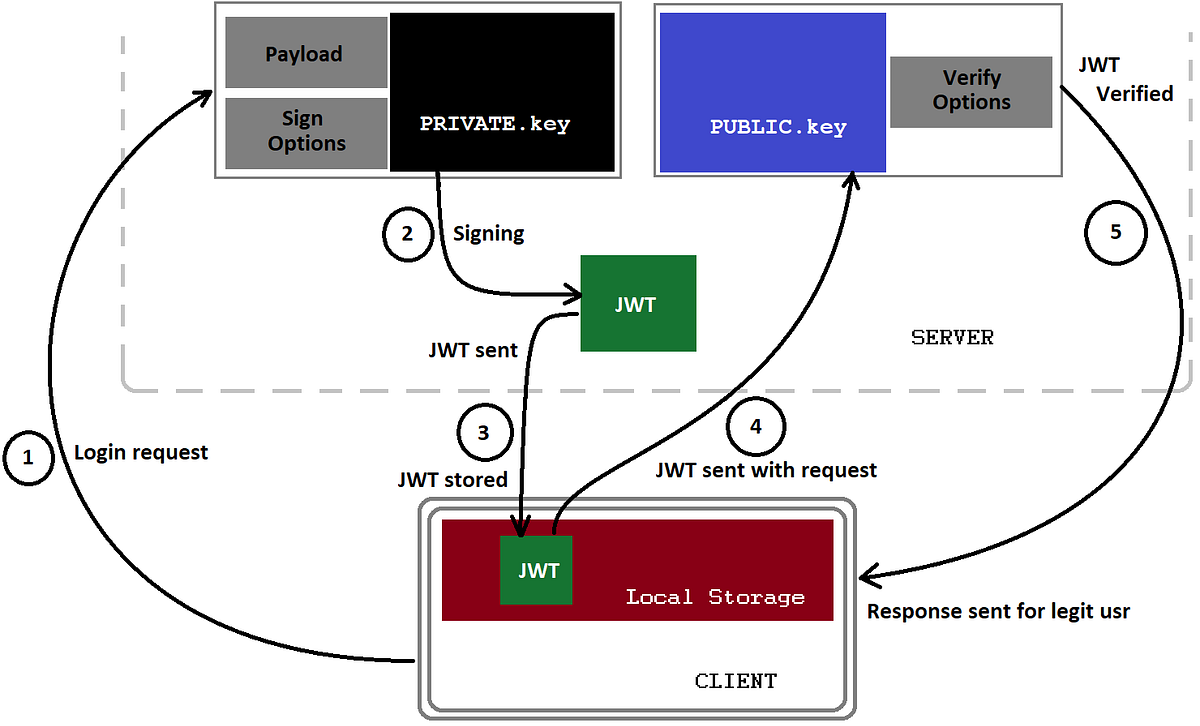
What does the JSON Web Token package do?
- generates a token that we can use with authorization and information exchange.
What considerations should we make when creating and storing a SECRET?
- don’t create a weak secret.
- don’t store it in a plain text.
- don’t share your secret with anyone.
- make a rotation for your secret.
- don’t use same secret for different accounts.

Document the following Vocabulary Terms
encryption: it is a process that convert our passwords to hashed ones, with characters representation. to make our passwords secured. we use the bcrybt library to do this.
token: it an encoded json, that we use in beare authorization to ensure if the user is authorized or not.
bearer: it is an authorization process, that use the header, and create and compare the token for the users, to allow them to reach a certain endpionts or not.
secret: it is a signiture for the developper that make his token secure and no one can access his data when his secret is exists.
JSON Web Token: it is an open standard (RFC 7519) that defines a compact and self-contained way for securely transmitting information between parties as a JSON object.
Preparation Materials
RBAC tutorial
-
role based access control : that is means every user should has a type of role, and based on this role type will be able to access certain files or resources or do some actions.
-
this RBAC come after ensuring this user authorized or not; if yes, then check if he has a role, then will access certain files, but if he hasn’t, then he can’t access anything even though he is an authorized user.
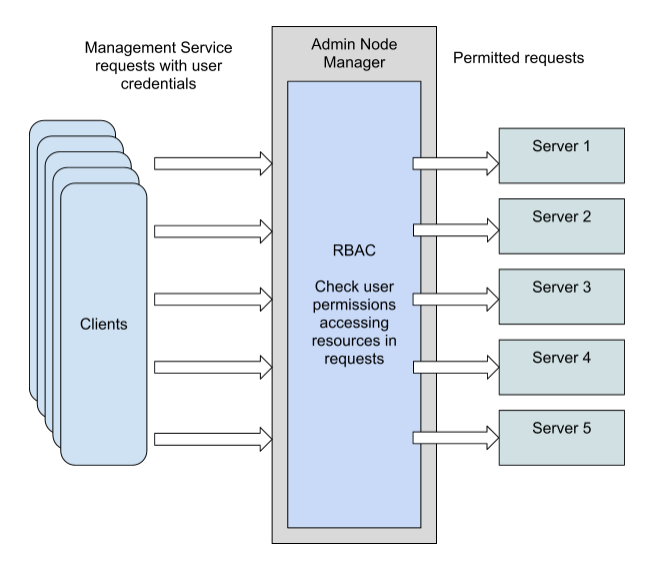
5 steps to RBAC
-
RBAC is important to make our system more secure, espicaliy if one of the users has been hacked, then our system will still safe, becuase the user has a limitted access to our application.
-
Access control lists (ACL) : it is a process that specify a user or gruop of users to access certain object or data.
-
Attribute-based access control (ABAC): or policy-based access control, here you can use many attributes to determine who can access the data like; location, time, user department, ..etc. this make the system more secure also.
-
steps to implement RBAC :
-
Inventory your systems: by definig your data and sort them, what should be accessd and who can access them.
-
Analyze your workforce and create roles: define your role types.
-
Assign people to roles.
-
Never make one-off changes
-
Audit: every period of time check the users and their roles, check your accessable data, change or remove or update unnecessary users or change their roles.
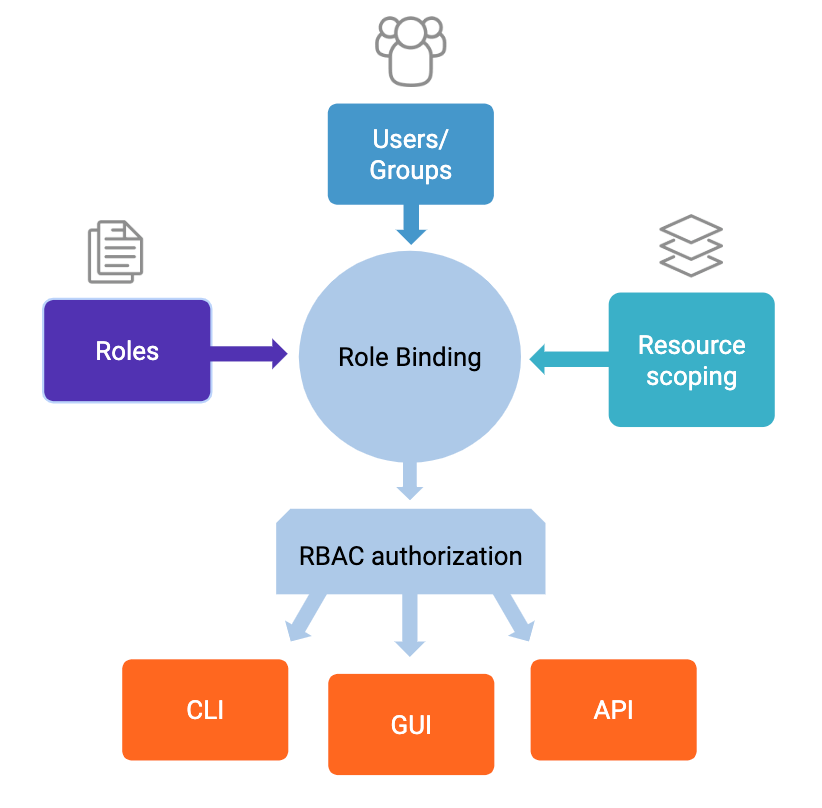
wiki - RBAC
-
When defining an RBAC model, the following conventions are useful:
- S = Subject = A person or automated agent
- R = Role = Job function or title which defines an authority level
- P = Permissions = An approval of a mode of access to a resource
- SE = Session = A mapping involving S, R and/or P
- SA = Subject Assignment
- PA = Permission Assignment
- RH = Partially ordered Role Hierarchy. RH can also be written: ≥ (The notation: x ≥ y means that x inherits the permissions of y.)
A subject can have multiple roles.
A role can have multiple subjects.
A role can have many permissions.
A permission can be assigned to many roles.
so the thing is what you abeal to do and achive to undersatnd your coworker team
for more info please visit my github qusaiqeisi
best regard